- HeraSphere
- Posts
- HeraSphere #23: Can CBD Help With Menopause Symptoms?
HeraSphere #23: Can CBD Help With Menopause Symptoms?
Impact on sleep, perimenopause symptoms and libido: what the research actually says.

Lilly Liu Minkove
January 17, 2026
Hi friend,
I've been skeptical of CBD. It always seemed like another wellness trend with more hype than substance. The ironic thing is that I even launched a line of CBD shampoo in my past life as a CMO - I learned about the technicalities of setting up a website to sell CBD products online but never quite bought into the benefits.
Then I realized that people around me were taking CBD quietly with proven (n of 1) results. One friend took it to enhance sleep. Another reported libido improvements. Others were having using it to relax as an alternative to alcohol. Cumulatively, I felt like I was missing out on something big and decided to dig into the topic.
What I found: actual peer-reviewed research on inflammation, cortisol, and pain management. Studies from Rutgers. Commentary from Andrew Huberman. Real science pointing to potential benefits for the exact issues many of us face after 40.
I also found FDA data showing 5% of users developed liver damage, and a completely unregulated market where most products don't contain what their labels claim.
Here's what you need to know about CBD.
The TL;DR on CBD
CBD might help with sleep, pain, inflammation, and perimenopause symptoms—real research backs this up
But most products are mislabeled garbage, it interacts with common medications, and medical oversight is recommended (including liver monitoring at higher doses)
If you're curious: start low (10-25mg), choose quality brands with third-party testing, involve your doctor from day one, and get baseline liver test
This isn't a miracle cure, but it might be worth exploring in a safe way
The Dispensary Stigma
I'll be honest—I'm embarrassed at the idea of walking into a dispensary. The idea has never crossed my mind.
I know it's legal in many states. In fact, my neighbors are protesting the opening of one near my home in DC. So the stigma is still there for many of us. The association with marijuana, the worry about what people might think, the feeling of doing something vaguely illicit even when it's perfectly legal. So these definitions helped me understand the difference.
Marijuana is the part of the cannabis plant that gets you high because it contains significant amounts of THC. When people talk about "smoking weed," they're talking about marijuana—high-THC cannabis that's psychoactive and still federally illegal (though legal in many states).
Hemp, on the other hand, is cannabis with almost no THC (less than 0.3% by law). It won't get you high. It's federally legal. And it's where most CBD products come from.
Both marijuana and hemp are cannabis plants. The difference is how much THC they contain.
Now, the compounds themselves:
THC (Tetrahydrocannabinol): This is what gets you high. The psychoactive compound in marijuana. Chronic use—especially during adolescence—can reduce gray matter in the brain, increase depression and anxiety risk, and impair cognitive function. This is the one with documented brain risks, particularly for developing brains.
CBD (Cannabidiol): Doesn't get you high. The second most common cannabinoid in cannabis. When derived from hemp (less than 0.3% THC), it's federally legal. This is what we're talking about today.
CBG (Cannabigerol): Think of this as the mother compound—other cannabinoids start as CBG before converting into CBD, THC, and others. Non-psychoactive. Early research suggests anti-inflammatory effects. Shows up in tiny amounts (under 1%) in most plants.
CBN (Cannabinol): This forms when THC ages and breaks down over time. Mildly psychoactive but weak—about 25% as potent as THC. Known primarily for sedative effects. Limited but promising research for sleep.
Product types matter:
Full-spectrum: Contains all the cannabinoids including trace amounts of THC (<0.3%). May be more effective because the compounds work together—scientists call this the "entourage effect."
Broad-spectrum: Multiple cannabinoids working together, but zero THC.
Isolate: Pure CBD (99%+) and nothing else. Most predictable, possibly less effective.
CBD is not marijuana. Different compound, different effects, different risks. You're not walking into a dispensary for weed. You're looking for a compound that might help you sleep without getting you high.
What CBD Actually Does In Your Body
CBD works with something called your endocannabinoid system—a network of receptors throughout your body that helps regulate sleep, mood, pain, inflammation, and stress response. Scientists didn't even discover this system until the 1990s!
Think of it as your body's internal thermostat, constantly making tiny adjustments to keep everything balanced. When it's working well, you sleep deeply, recover from workouts faster, bounce back from stress more easily. When it's off—especially after 40 when estrogen starts dropping and throwing everything into chaos—you feel it. The 3 a.m. wake-ups. The joints that hurt for no reason. The constant low-level anxiety that wasn't there before.
Here's where CBD comes in: it doesn't bind directly to these receptors the way THC does (which is why it doesn't get you high). Instead, it seems to enhance your body's own cannabinoid production and slow the breakdown of the ones you make naturally. It's more like... turning up the volume on your body's existing system rather than hijacking it.
Why Women 40+ Are Paying Attention
The research is still emerging, but here's how CBD can impact key parts of our health in perimenopause and menopause:
Sleep: A Permanente Journal study found that 25-75mg of CBD daily helped approximately 80% of participants reduce anxiety within a month. Two-thirds saw improved sleep quality, though these improvements fluctuated over time. CBD may support sleep through three specific mechanisms: lowering your core body temperature (which signals your brain it's time to sleep), reducing activity in the amygdala (the anxiety center of your brain), and affecting adenosine signaling (basically increasing "sleep pressure" that makes you feel genuinely tired instead of wired-and-tired). Caveat: CBD + THC may suppress REM sleep, but CBD alone does not significantly disrupt sleep architecture.
Menopause symptoms: A 2022 Rutgers study showed CBD improved glucose metabolism, inflammation markers, bone density, and gut health in estrogen-deficient mice. Mouse studies don't automatically translate to humans, but they provide biological rationale for why so many women report feeling better.
Inflammation and pain: CBD's anti-inflammatory properties are well-documented. When estrogen drops, inflammation rises—showing up as joint pain, muscle aches, that general feeling of being creakier than you should be. The National Academy of Science rates cannabis higher for pain relief than opioids. Whether CBD alone provides the same level of pain relief is still being studied.
Libido: This one's purely anecdotal. While low doses of cannabis are increased with increased sexual activity, no rigorous studies exist on CBD and sexual function. Women report improvements, and it is likely that CBD creates conditions that support better sexual function. Reduced anxiety (performance anxiety kills libido), pain relief (when sex hurts less, desire follows), and cortisol regulation (chronic stress suppresses sex hormones). Plus, cannabinoid receptors exist in reproductive organs, though we don't yet understand their role.
If You're Still Curious, Here's How to Do This Safely
CBD products are unregulated and many are straight-up garbage. 86% of products from regulated dispensaries contain pesticides. 70% sold online are mislabeled—some with only 20% of the advertised CBD, others with none at all. The industry is unregulated. The FDA doesn't approve these products. Companies stretch the truth (or don’t bother to verify their claims). Hemp plants absorb contaminants from soil. This is the sad reality.
Here's how to find products that are certified. Look for USDA Organic certification and third-party testing from ISO 17025 accredited labs. Demand batch-specific results, not generic PDFs. Make sure they test for contaminants, not just potency. Brands with solid track records: Charlotte's Web, Lazarus Naturals, Cornbread Hemp, Green Gorilla, One Farm, Proper Canna Naturals. Red flags include no Certificate of Analysis (COA), in-house testing only, wild health claims, or suspiciously cheap prices.
Liver damage is a real risk. A July 2025 FDA study found 5% of users showed liver damage at 250-550mg daily. Women were hit harder. Good news: no cases under 300mg/day. Bad news: risk jumps at higher doses, and the damage is silent. CBD also blocks enzymes that process blood thinners, antidepressants, blood pressure meds, and 50+ other medications. Skip CBD entirely if you have liver disease, take liver-affecting meds, are pregnant or nursing, or can't get monitored. Common side effects include diarrhea, fatigue, appetite changes, nausea, and dizziness.
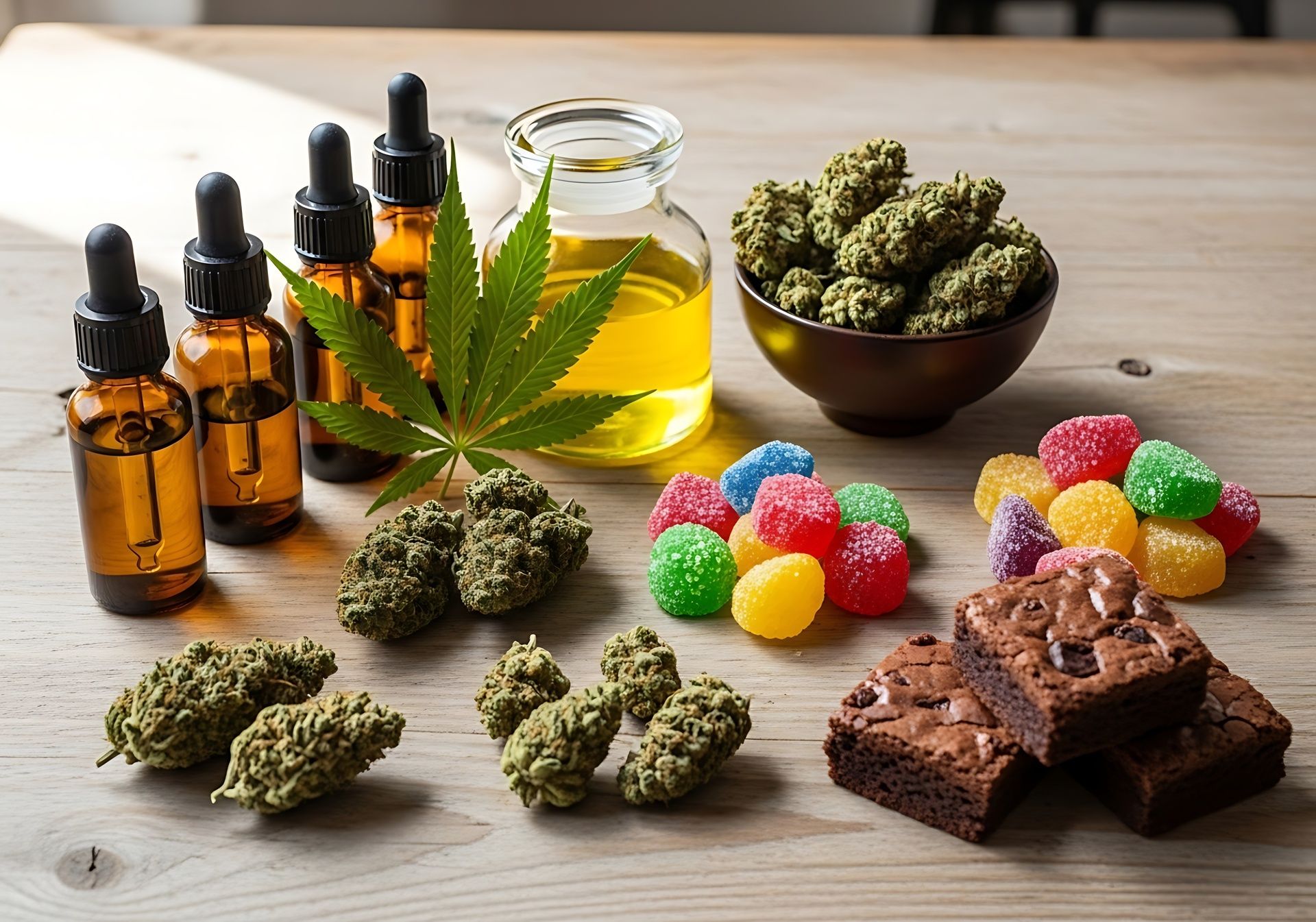
Ideally, involve your doctor if you have any health concerns. Discuss drug interactions with everything you're taking. Get baseline liver tests (ALT, AST) before you start. Schedule follow-ups at 1, 3, and 6 months. Start with 10-25mg daily—the sleep study used 25mg. Track your response for 2-4 weeks. Never exceed 300mg without medical supervision and liver monitoring. Choose oils or tinctures for faster absorption and easier dosing control. Edibles and gummies are slower and harder to dose accurately. Topicals stay localized and don't enter your bloodstream.
What I’m Trying
I'm testing this myself after all this research. I’m not into gummies with all the added sugar, so I found CBD mints with 15mg CBD and 0.5mg THC from Lazarus Naturals. Will share my experience after a few months!
CBD isn't magic, and it's definitely not a cure-all. But the research is real enough to pay attention to—as long as you go in clear-eyed about both the potential benefits and the risks.
Have you tried CBD? What worked or didn't? Send me a note with your n of 1 results!
Curiously anticipating my package,
Lilly
PS: No, I'm still not walking into a dispensary. But I might send my husband.
If you’ve received this email from a friend and want to receive it in your own inbox
Note: While I love diving deep into research and sharing what I've learned about women's health and wellness, I want to be crystal clear: I'm a passionate health advocate and researcher, not a medical professional. Think of me as your well-informed friend who does extensive homework – but not your doctor.
Everything I share in HeraSphere comes from careful research and personal experience, but it's meant to inform and inspire, not to diagnose or treat any medical conditions. Your body is uniquely yours, and what works for one person might not work for another. Always consult your healthcare provider before making significant changes to your diet, exercise routine, or wellness practices, especially if you have underlying health conditions or take medications.
ICYMI, a few top issues from the archives!
Reply